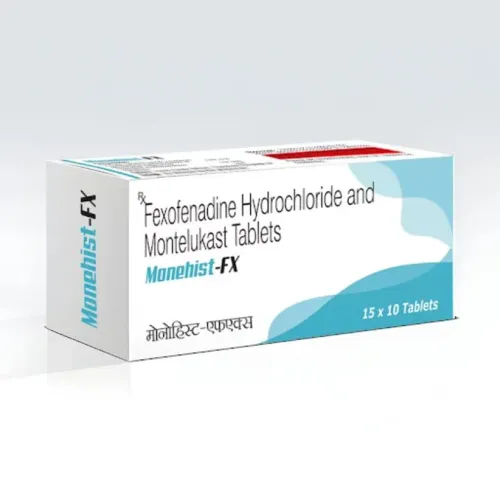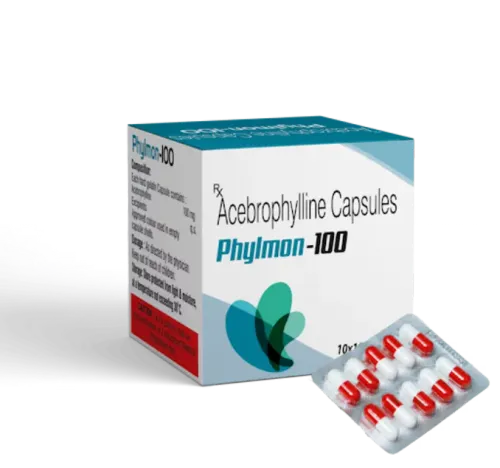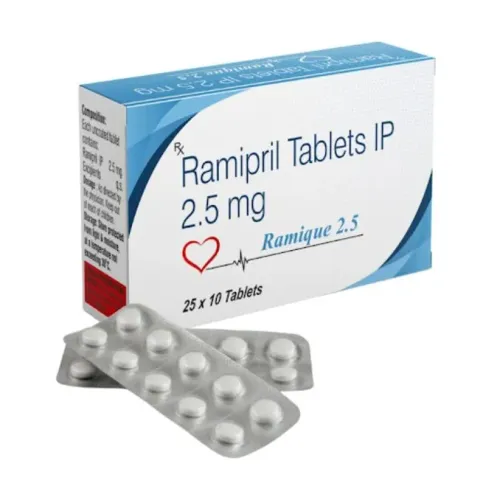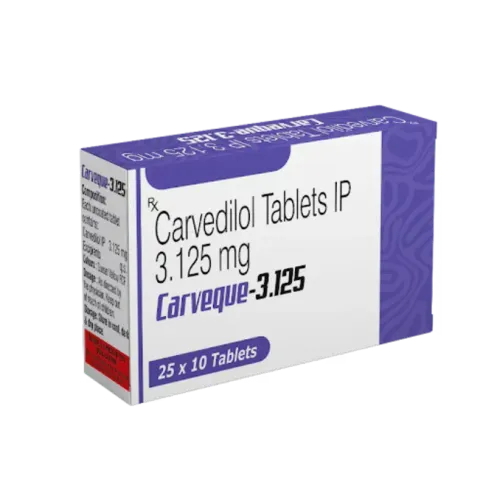
A flexible production arrangement is useful only when it matches your dosage form, volume, packaging, regulatory pathway and launch date. By the end, you will be able to define the flexibility you need, compare contract manufacturers against an internal facility, prepare a complete enquiry and verify the documents and quality controls behind a quotation.
Key takeaways
- Define dosage forms, batch sizes, packaging, and changeover requirements before requesting quotes.
- Ask for Form 20B or 21B licence copies matching your proposed products.
- Review batch manufacturing records, certificates of analysis, and stability data before approval.
- Assign testing, artwork, deviations, recalls, and shipment responsibilities in the agreement.
What flexible pharmaceutical production actually lets you change
Flexible pharmaceutical production means changing defined production variables without building a separate line for every stock-keeping unit. In your enquiry, request specific options such as:
- Formulation selection, including excipient changes, release profile and dosage form
- Strength changes, such as 250 mg and 500 mg versions
- Batch size flexibility for pilot, launch and routine production volumes
- Packaging format, including blister, strip, bottle, sachet or carton configurations
- Manufacturing schedule, including campaign production, repeat slots and launch deadlines
- Artwork changes with controlled approval, version tracking and reconciliation of printed packs
Batch size flexibility has a cost. A 1,000-unit batch can still require cleaning, line clearance, equipment setup, sampling and packaging checks comparable to a larger batch, so frequent small runs can produce higher minimum order quantities and unit prices.
A contract pharma manufacturer becomes more practical than your own plant when demand is uncertain, launch timing is short or several dosage forms would otherwise require separate equipment. You avoid immediate spending on premises, utilities, production staff, validation, laboratory capacity and a full GMP quality system. You also avoid carrying idle equipment between campaigns.
| Option | More practical choice |
|---|---|
| Uncertain demand or one-off launch | Contract production |
| Stable, high-volume demand using dedicated equipment | Own plant |
| Several strengths, formats or dosage forms | Contract production |
| Continuous utilisation with predictable forecasts | Own plant |
Before choosing, match the site’s licensed dosage form, active pharmaceutical ingredient, strength, release profile, packaging capability and delivery date to your product—not merely its advertised catalogue.
How to check a manufacturer’s fit before requesting a quote
A tablet licence does not prove a site can make your product. Before requesting a quote, match the manufacturer’s licensed product scope, equipment and quality systems to your exact dosage form, API, strength and release profile. A branded generic still needs the correct manufacturing, testing, labelling and approval pathway.
Send these details in the enquiry:
- Product: composition, API source, target strength, dosage form, specification, route of administration and release profile, such as immediate-release or extended-release.
- Volume: first batch size, minimum viable batch, expected annual demand, forecast peaks and acceptable manufacturing frequency.
- Packaging: strip, blister, bottle, sachet, tube or carton configuration; pack size; language; serialization or other market-specific requirements.
- Market: India, export destination, regulatory category and intended approval holder. Separate drugs from medical devices, foods, nutraceuticals and health supplements because one licence does not cover all categories.
- Delivery: launch date, first required delivery, delivery locations, shelf-life target and temperature requirements during transport.
Check the fit against each decision:
| Check | Match before quote | Mismatch consequence |
|---|---|---|
| Licence scope | Exact product, dosage form, strength and premises appear on the licence or endorsement | A tablet permission does not authorize injectables, creams or every strength |
| Regulatory status | Approval pathway and, for a new drug, central approval and approval holder are identified | A state manufacturing licence alone may be insufficient |
| Market packaging | Approved artwork, warnings, batch details and component reconciliation are assigned | Incorrect or obsolete packs can block release |
| Capacity | Batch size and annual volume fit equipment and schedule | Long lead times or costly under-used batches |
Ask who controls artwork approval, version control, stability data and release testing before accepting the quote.
What the contract manufacturing process covers from transfer to shipment
A workable contract covers every controlled step from technology transfer to shipment, not just the hours spent on the production line. Define the manufacturer’s responsibility for materials, equipment, records, testing, release and dispatch.
| Stage | Manufacturer handles | Records to require |
|---|---|---|
| Technology transfer | Formula, specifications, methods, equipment settings and process risks | Approved transfer protocol, gap assessment and training records |
| Pilot batch | Small-scale process check and sampling plan | Pilot batch report, deviations and corrective actions |
| Exhibit batch | Representative batch for dossier or market requirements | Exhibit batch record, test results and approval decision |
| Routine production | Dispensing, processing, in-process checks, yield review and process validation | Master and executed batch records, logbooks and validation report |
| Packaging and shipment | Filling, labelling, coding, reconciliation, release and transport handover | Packaging records, certificate of analysis, release certificate and dispatch record |
Agree the production calendar before accepting an order. Record raw-material availability, line booking, testing time, approval deadlines, minimum campaign size, planned batch dates and the latest dispatch date. A rushed schedule can leave finished goods waiting for laboratory results or create an avoidable expiry-date problem.
Packaging control must include approved artwork, label text, pack configuration, batch and expiry coding, printed-component reconciliation, line clearance and destruction of obsolete materials. Assign who approves artwork changes and who investigates coding errors.
Do not transfer shelf life by assumption. Assign ownership for the stability protocol, ongoing stability pulls, storage excursions and expiry-date justification; a packaging change can trigger additional stability work even when the formula stays unchanged.
Which licences, records and test results prove product control
Approve a site only after matching its manufacturing licence to the exact product, dosage form, strength and premises. A tablet licence does not authorise sterile injectables, creams, Schedule X medicines or every listed strength.
| Evidence | Check | What it proves |
|---|---|---|
| Manufacturing licence | Product scope, dosage forms, strengths, premises and endorsements | Legal permission for the proposed product |
| GMP certificate | Site identity, issuing authority, validity and covered operations | Documented GMP recognition, not automatic product approval |
| Schedule M records | Qualification, validation, sanitation, quality-risk management and manufacturing controls | GMP is operating beyond final-product testing |
| Master formula and batch record | Approved composition, process steps, theoretical yield, in-process checks and signatures | The batch followed an authorised process |
| Test results and certificate of analysis | Raw-material, in-process and finished-product results against approved specifications | The product met defined tests |
| Release file | Deviation review, CAPA, out-of-specification investigation and quality-unit release | A qualified person released the batch; a laboratory report alone is insufficient |
| Sterile-product evidence | Cleanroom classification, environmental monitoring, media fill or sterilisation validation, personnel qualification and container-closure integrity | The site controls sterile-process risks |
For an Indian Pharmacopoeia claim, compare the approved specification and current IP monograph, then inspect method validation or verification, reference standards, chromatograms and signed results. Do not accept “IP grade” as proof without these records.
Inspect approved artwork, label reconciliation and obsolete-pack destruction records. Confirm batch number, dates, licence details, warnings and schedule statements. For Schedule X products, verify the licence, security, storage and controlled-drug registers before comparing quotations.
How to compare suppliers and define responsibilities in the agreement
Do not compare quotes until each supplier assigns the same duties in a signed quality agreement. Use this comparison:
| Area | Supplier evidence to compare | Responsibility to write into the agreement |
|---|---|---|
| Quality checks | Approved specifications, validated or verified methods, batch records, deviation review, certificate of analysis and dissolution testing | Manufacturer performs tests; both parties approve specifications and investigate failures |
| Batch release | Completed batch record, laboratory results, deviation and CAPA assessment, release decision | Manufacturer’s quality unit releases the batch, or your named quality unit does so; a third-party report alone is insufficient |
| Change control | Proposed change, risk assessment, validation impact and customer notification period | No formulation, process, site, supplier, artwork or packaging change without defined approval |
| Stability | Protocol, storage conditions, scheduled pulls, excursion assessment and expiry justification | Name the stability owner and funder; require approval before extending shelf life |
| Packaging | Artwork approval, label checks, version control, component reconciliation and destruction records | Assign who supplies, approves, counts and destroys printed materials |
Compare evidence of Revised Schedule M implementation, including validation, qualification, sanitation, documentation, quality risk management and CAPA—not just certificates. For sterile products, demand cleanroom classification, environmental monitoring, media fills or equivalent process simulation, sterilisation validation and container-closure integrity evidence. Check Schedule X or other controlled-medicine licences separately.
Whether you assess Monique Pharmaceuticals Pvt Ltd or another supplier, test the proposed site against your product’s dosage form, release profile and market licence before accepting its quote. Put stability ownership in writing because changing the pack can trigger new studies even when the formula stays unchanged.
Frequently asked questions
What production variables can flexible pharmaceutical manufacturing change?
You can compare dosage forms, strengths, batch sizes, packaging formats, production schedules, and changeover requirements without building a separate facility for every stock-keeping unit.
How can you check a contract manufacturer’s fit before requesting a quote?
Match the manufacturer’s equipment, dosage-form capability, batch-size range, packaging lines, quality systems, licences, and technical documentation to your product brief.
What does the contract manufacturing process cover?
The process covers technical transfer, formulation and specification review, raw-material approval, manufacturing, in-process testing, finished-product testing, batch release, packaging, storage, and shipment.
Which documents prove pharmaceutical product control?
Request applicable manufacturing licences, approved specifications, batch manufacturing and packing records, certificates of analysis, deviation and change-control records, stability data, and release documentation.
How should you compare suppliers and assign responsibilities?
Compare capability, lead time, minimum batch size, quality records, testing arrangements, communication, and total cost, then assign responsibilities for approvals, deviations, recalls, artwork, release, and delivery in writing.